
Crop vs Cane: Precision vs Coverage Compared

Crops and canes both look precise from a distance, but they build sensation in different ways. A cane is a rigid or semi-rigid shaft that strikes as a single unit, while a crop has a flexible shaft topped with a compact tip, which changes how force builds and lands. If you have not yet compared every tool type, start with the Impact Play Toys 101 guide. This comparison focuses specifically on crop versus cane — precision versus coverage — using real products to show the difference.
A cane concentrates sensation into a fast, narrow line, while a crop's flexible shaft builds tip speed before a compact tip lands — producing a rounder, more resonant impact than a cane's crack.
🔽 Quick Navigation
- 📌 Before You Compare Crop and Cane
- 📌 Crop vs Cane at a Glance
- 📌 Cane: Fast, Dispersed Line Impact
- 📌 Crop: Flexible Shaft, Compact Tip
- 📌 Which Should You Choose?
- 📌 Real Experience: Comparing Tip Speed to Line Impact
- 📌 Aftercare for Crops and Canes
- ❓ FAQ
- 🧭 Final Thoughts: Precision Comes in Two Different Shapes
Before You Compare Crop and Cane
Both tools reward — and require — more precise aim than a paddle or flogger, so consent, safe words, and target zones matter even more here.
Both crops and canes should only be used on the buttocks and outer thighs — never the spine, kidneys, lower back, joints, neck, or any injured or numb area. Because both tools concentrate force into a small area, start with taps far lighter than you think are necessary, and practice the swing or flick motion without a partner present until it feels consistent.
Crop vs Cane at a Glance
The core difference is structure: a cane is rigid or semi-rigid along its full length, while a crop has a flexible shaft that only stiffens near the tip.
| Factor | Cane | Crop |
|---|---|---|
| Structure | Rigid or semi-rigid full-length shaft | Flexible shaft with a compact tip |
| Sensation type | Fast, sharp, line-shaped sting | Rounder, resonant sting plus deeper thud |
| Force building | Direct from the swing itself | Builds through shaft flex before tip contact |
| Typical skill level | Beginner to intermediate (multi-rod designs) | Intermediate to advanced |
| Featured product | Eight-Rod Rattan Discipline Cane — $27.90 | Dual-Layer Cowhide Riding Crop — $69.00 |
Cane: Fast, Dispersed Line Impact
A cane's rigid structure means force transfers almost instantly along its length, producing a fast, sharp line of sensation.
The Eight-Rod Rattan Discipline Cane softens the classic single-line cane sensation by bundling eight natural Indonesian rattan rods together instead of using one solid shaft, dispersing contact across several points rather than concentrating it into one line. At 23.6 in / 60 cm and only 100 g, it moves quickly through the air and rebounds crisply — speed is a core part of cane sensation, and this design lets a beginner-to-intermediate user experience that quickness without the full sharpness of a single solid rod.
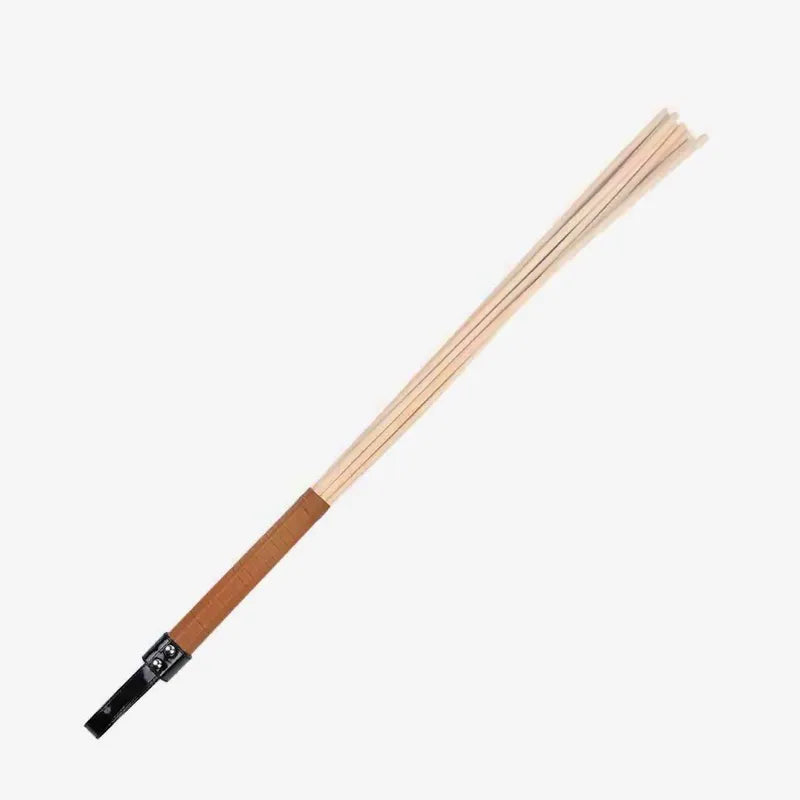
Because a cane has no flex to absorb or build energy, technique is almost entirely about controlling swing speed and placement. Browse the full canes collection to compare single-rod and multi-rod designs.
Crop: Flexible Shaft, Compact Tip
A crop's flexible shaft bends through the swing before the compact tip makes contact, which builds tip speed differently than a cane's rigid strike.
The Dual-Layer Cowhide Riding Crop demonstrates this clearly. Its 28.7 in total length includes a 16.5 in flexible whip-style section that flexes through the swing before the compact dual-layer cowhide tip lands, producing a 7/10 sting and 7/10 thud — a rounder, more resonant impact than a cane's sharp crack, closer to a combination of sting and deep pressure at once. SexPaddle marks this intermediate-to-advanced, and the 8.7 in handle with a 6.7 in spiral grip lets an experienced user choke up for shorter, controlled taps or extend for heavier full-reach strikes.
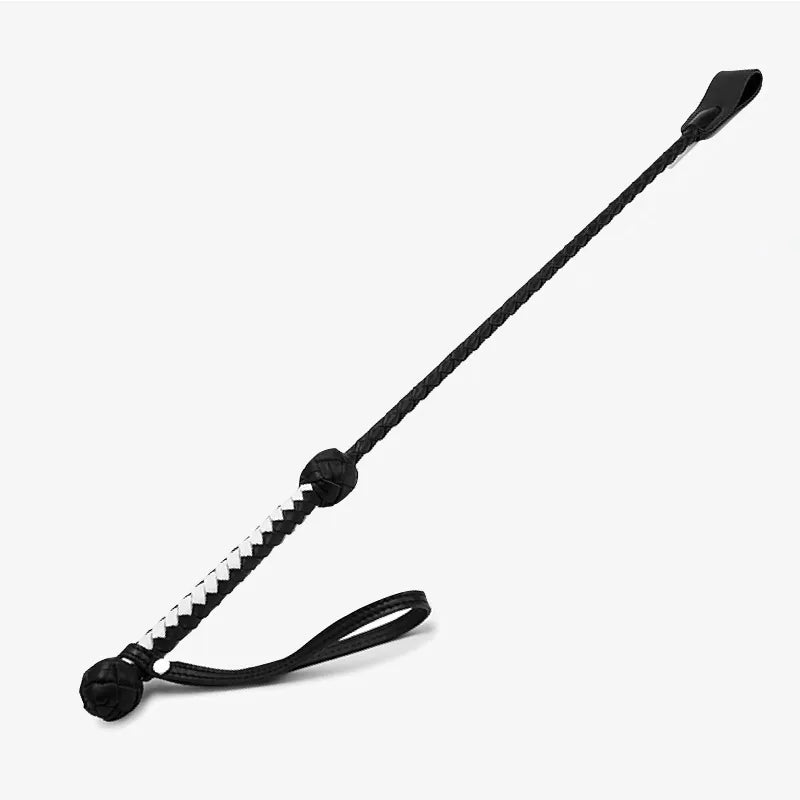
The flexible shaft also adds wrap-around risk that a rigid cane does not have, which is a major reason this crop is rated for more experienced users. Practice the arc in open space before ever using it on a partner, and see the full riding crops collection for shorter, stiffer designs better suited to a first attempt at cropping.
Which Should You Choose?
Choose a multi-rod cane for faster, sharper, more beginner-accessible precision; choose a crop once you want a rounder combination of sting and thud and have more swing experience.
| If you want... | Choose |
|---|---|
| The most beginner-accessible precision tool | Multi-rod cane |
| Fast, sharp, line-shaped sting | Cane |
| A rounder combination of sting and thud | Crop |
| Adjustable reach via a longer handle | Crop |
| The lowest wrap-around risk | Cane |
If you are also weighing a paddle against either of these, the Paddle vs Cane comparison covers that matchup directly.
Real Experience: Comparing Tip Speed to Line Impact
Trying both tools at the lightest possible intensity in the same session tends to reveal which sensation style someone actually prefers, faster than reading specs alone.
In a composite scenario based on common buyer questions, Kai and Sam already owned a multi-rod cane and were deciding whether a crop was worth adding to their collection. They planned a low-intensity comparison session. The Eight-Rod Rattan Discipline Cane felt familiar — fast, light, sharp in short bursts, easy to control with minimal wind-up. Introducing the Dual-Layer Cowhide Riding Crop at the same light intensity felt noticeably different: Sam described it as "rounder, like the sting and the thud arrive together instead of just a quick snap."
They also noticed the crop took more practice to place consistently because the flexible shaft meant the tip didn't always land exactly where the swing seemed to be aiming. After a few solo practice swings away from any body, Kai felt confident enough to try light taps with real placement. Their takeaway: the cane remained their go-to for quick, precise moments, while the crop became an occasional addition for scenes where they wanted a heavier, more resonant impact and had time to warm up technique first.


Aftercare for Crops and Canes
Rattan and leather need different care, and both should be checked for structural wear before every use.
| Tool | Cleaning | Storage | Watch For |
|---|---|---|---|
| Rattan cane | Wipe dry; avoid soaking or alcohol cleaners | Dry, ventilated, laid flat if possible | Warping, splitting, loose handle wrap |
| Leather crop | Wipe shaft with a dry cloth; check tip attachment | Hanging or laid flat in a dry space | Loosening tip, shaft stiffness, cracking at the flex point |
FAQ
These answers cover the most common questions when comparing a crop to a cane.
Does a crop or a cane hurt more?
A cane typically feels sharper and faster for the same effort, while a crop produces a rounder combination of sting and thud.
Sensation depends heavily on technique and swing speed for both tools.
Which is easier for a beginner to control?
A multi-rod cane is generally more beginner-accessible because it is rigid and does not require managing shaft flex.
A crop's flexible shaft takes more practice to place consistently.
Why does a crop have a flexible shaft?
The flex allows the shaft to build tip speed through the swing before the compact tip makes contact, producing a distinct combination of sting and thud.
This is different from a cane's rigid, direct-transfer strike.
Can I use a crop and a cane in the same session?
Yes, many experienced users alternate between the two for variety — a cane for quick, sharp moments and a crop for rounder, heavier impact.
Always reintroduce a lighter touch when switching tools.
Is a crop riskier to use than a cane?
The flexible shaft adds wrap-around risk that a rigid cane does not have, which is part of why crops are typically rated for more experienced users.
Practice the swing alone before ever using a crop on a partner.
Which should I buy first, a crop or a cane?
A multi-rod cane is generally the more beginner-friendly first purchase in this comparison.
A crop is a reasonable next step once you are comfortable managing a flexible shaft and controlling swing arc.
Final Thoughts: Precision Comes in Two Different Shapes
Crop and cane both reward precision, but they build that precision through opposite mechanics — one rigid and direct, one flexible and momentum-driven.
If you want fast, sharp, beginner-accessible precision, the Eight-Rod Rattan Discipline Cane is a strong starting point. If you already have swing experience and want a rounder combination of sting and thud, the Dual-Layer Cowhide Riding Crop offers that resonant impact with adjustable reach.
For the full picture across every impact toy type, revisit the Impact Play Toys 101 guide, and make sure your safe word system is in place using the safe word guide before your next session.


