
Budget vs Premium Canes: Is the Upgrade Worth It

Canes on SexPaddle range from under $20 to nearly $90, and the gap isn't just brand markup — it reflects real differences in construction, material sourcing, and craftsmanship time. But does a $89 hardwood cane actually deliver a meaningfully different experience than a $27 rattan one, or are you just paying for a nicer-looking product photo? This guide breaks down exactly what changes at each price point using two real canes, so you can decide where your money is actually going.
Budget canes deliver genuine, well-engineered sensation through smart construction like multi-rod bundling, while premium canes add denser materials, more labor-intensive shaping, and a different sensation category entirely — the "right" purchase depends on what you're optimizing for, not simply what you can afford.
🔽 Quick Navigation
- 📌 Before You Decide Based on Price
- 📌 Budget vs Premium at a Glance
- 📌 The Budget Pick: Smart Construction, Real Value
- 📌 The Premium Pick: Density, Craftsmanship, Precision
- 📌 What You Actually Pay For at a Higher Price
- 📌 When Budget Is the Smarter Choice
- 📌 When Premium Is Worth It
- 📌 Is There a Worthwhile Middle Ground?
- 📌 Real Experience: Deciding If the Upgrade Was Worth It
- ❓ FAQ
- 🧭 Final Thoughts: Price Should Match Intent
Before You Decide Based on Price
Price doesn't predict safety or skill-level appropriateness, and both budget and premium canes demand the same target-zone discipline and calibrated technique.
Regardless of what you spend, cane strikes should stay strictly on the center of the glutes and upper hamstrings — never the spine, kidneys, lower back, hips, tailbone, joints, or inner thighs. A more expensive cane is not automatically gentler; in fact, some premium designs are built for sharper, more concentrated sensation and require more caution, not less. Read the specific skill-level rating on any cane you're considering rather than assuming price tells you anything about intensity.
Budget vs Premium at a Glance
The price gap here reflects genuine differences in material and construction, not just packaging or branding.
| Factor | Budget Pick | Premium Pick |
|---|---|---|
| Price | $26.90 | $89.00 (down from $139.00) |
| Material | Natural rattan, multi-rod bundle | Padauk hardwood, single tapered rod |
| Construction | 4-rod or 7-rod bundled design | Hand-tapered from 0.6 in to 0.3 in |
| Skill level | Beginner to intermediate | Intermediate to advanced |
| Featured product | Traditional Multi-Rod BDSM Cane | Padauk Hardwood Teaching Cane |
The Budget Pick: Smart Construction, Real Value
A lower price doesn't mean a compromised design — the Traditional Multi-Rod BDSM Cane is a genuinely well-engineered tool, not a stripped-down version of something better.
The Traditional Multi-Rod BDSM Cane ($26.90) is available in 4-rod or 7-rod rattan construction with a wrapped leather handle. Bundling multiple rods together is a deliberate engineering choice, not a cost-cutting shortcut — it disperses contact across several points rather than concentrating it into one line, which is exactly what makes multi-rod rattan canes so consistently recommended as a beginner's first purchase. The natural rattan itself flexes and rebounds well, delivering genuine whip-like sensation that a synthetic material at the same price point often can't replicate.
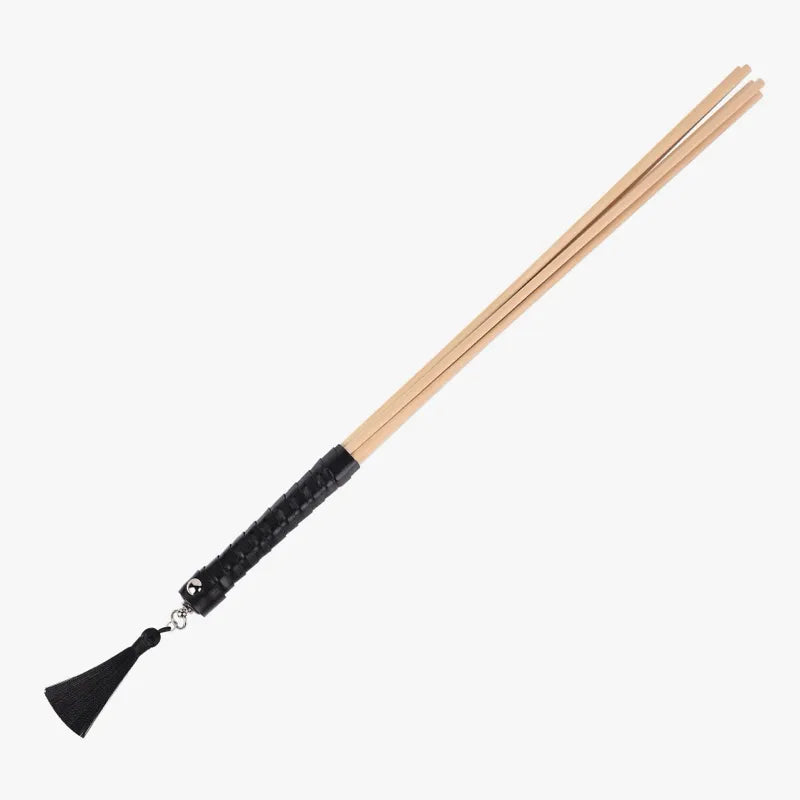
The lower price here reflects rattan's relatively lower material cost and the more efficient bundling construction process — not a lack of genuine usability. This is a cane you can build real technique with, not a placeholder until you can afford something "better."
The Premium Pick: Density, Craftsmanship, Precision
Higher-priced hardwood canes reflect labor-intensive shaping and a denser, less forgiving material that delivers a genuinely different sensation category.
The Padauk Hardwood Teaching Cane ($89.00, down from $139.00) tapers from 0.6 in at the handle to 0.3 in at the tip across a full 19.7 in / 50 cm, concentrating sensation precisely at the point of contact while keeping wrist control stable throughout the swing. That hand-shaped taper is significantly more labor-intensive to produce than a uniform-diameter rod, and padauk's natural density means the cane transfers force with minimal flex — the opposite sensation profile from the budget rattan pick. SexPaddle positions this specifically for teaching-cane roleplay and structured D/s scenes where a serious, traditional atmosphere matters as much as sensation.
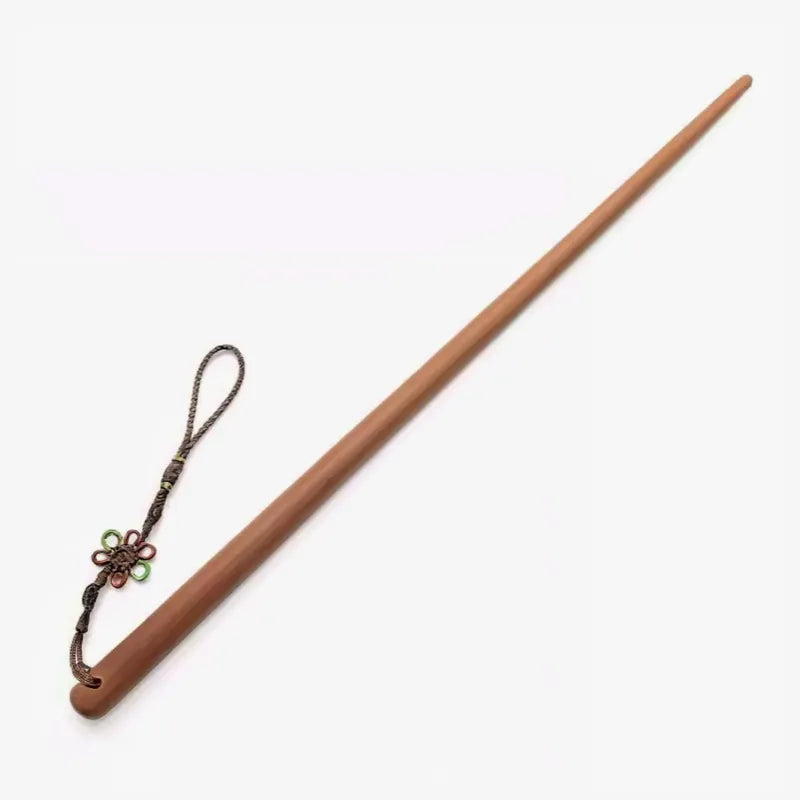
The higher price here buys craftsmanship time, material density, and a specific engineered sensation — sharp, direct, and rigid — that no amount of extra rattan rods can replicate. It's not simply "more cane" for more money; it's a different design goal entirely, built for users who already understand precise calibration.
What You Actually Pay For at a Higher Price
Premium cane pricing typically reflects a combination of material density, shaping labor, and a more targeted sensation design.
| What Changes | Budget Range | Premium Range |
|---|---|---|
| Material | Rattan, bamboo — lighter, more flexible | Dense hardwoods like padauk, ebony, red sandalwood |
| Shaping | Bundled or uniform-diameter | Hand-tapered, precisely finished |
| Sensation design | Broadly forgiving, dispersed | Engineered for a specific, targeted effect |
| Durability | Good for moderate, casual use | Built for frequent, demanding sessions |
When Budget Is the Smarter Choice
For most people building calibration skill, a budget multi-rod cane is not a compromise — it's the objectively better tool for the job.
If you're new to caning, a budget multi-rod rattan cane will teach you more useful, transferable technique than a premium single-rod hardwood cane, precisely because its forgiving construction lets you make small aiming mistakes without harsh consequences. Spending more money at this stage doesn't accelerate learning — it just raises the cost of the mistakes you're going to make anyway while you build skill. Budget rattan is also the right choice if you're not yet sure how much you'll actually use a cane; there's no reason to invest in premium hardwood before confirming caning is something you and your partner genuinely enjoy.
When Premium Is Worth It
Premium hardwood earns its price once you have real calibration experience and are chasing a specific sensation that budget materials genuinely can't deliver.
If you've built solid technique with a forgiving cane and know you want sharper, more concentrated, more traditional sensation, a premium hardwood cane like the Padauk Teaching Cane delivers something rattan structurally cannot replicate — true rigidity and direct force transfer. It's also worth the investment if atmosphere and ritual matter to your scenes; a hand-shaped hardwood cane carries a weight and presence that a bundled rattan design doesn't have, which some couples find meaningfully enhances structured, formal D/s sessions.
Is There a Worthwhile Middle Ground?
Between true budget rattan and premium hardwood sits a meaningful middle tier, and understanding what changes there helps you avoid overpaying for features you don't actually need yet.
Mid-range canes in the $30–$50 range often introduce one premium element without the full cost of dense hardwood — a decorative resin handle, a more refined finish, or a slightly denser wood species than basic bamboo, while keeping a more forgiving multi-rod or flexible construction. These can be a reasonable next step if you've outgrown a true entry-level cane but aren't ready to commit to a rigid single-rod hardwood design. The key question to ask about any mid-tier cane is which specific upgrade you're paying for — is it purely cosmetic, or does it change the actual sensation and construction in a way that matters to you?
| Price Tier | Typical Upgrade | Worth It If... |
|---|---|---|
| Under $30 | Basic multi-rod rattan or bamboo construction | You're new to caning or want a dependable daily-use tool |
| $30–$50 | Decorative handles, refined finishes, slightly denser wood | You want a nicer-looking, still-forgiving cane for regular use |
| $50+ | Dense hardwood, hand-tapering, precision shaping | You want a specific, sharper sensation and have the calibration skill to use it responsibly |
Buying at the middle tier makes the most sense when a specific detail — a handle material you prefer, a finish that's easier to clean, a slightly different weight — genuinely matters to your experience, rather than buying up simply because a higher price feels like the safer or more serious choice. Price alone has never been a reliable predictor of how much you'll actually enjoy using a specific cane.
Real Experience: Deciding If the Upgrade Was Worth It
Most people find the premium upgrade genuinely worthwhile only once they know specifically what sensation they're chasing — not as a default "better" purchase made too early.
In a composite scenario based on common buyer questions, Farrah started with the Traditional Multi-Rod BDSM Cane as a low-pressure first purchase and used it happily for several months, building real confidence with placement and force calibration. Curious about trying something sharper, Farrah considered the Padauk Hardwood Teaching Cane but wasn't sure if the price difference was justified by anything more than the product photos suggested.
After trying it, the difference was immediately obvious: the tapered hardwood produced a sharper, more concentrated sensation the rattan's dispersed construction simply wasn't designed to deliver, and the rigid, direct feel matched exactly what Farrah had been craving after months of the rattan's softer rebound. The takeaway wasn't that the rattan cane had been a lesser purchase — it was that the two tools were built for genuinely different sensations, and the premium upgrade only made sense once Farrah had already discovered, through real use of the budget option, that this specific sharper feeling was worth paying for.
FAQ
These answers cover common questions about budget versus premium canes.
Is a more expensive cane always better?
Not necessarily. Premium hardwood canes are engineered for a specific, more concentrated sensation, while budget rattan canes can be genuinely well-suited to gentler, beginner-friendly play.
"Better" depends on what sensation and skill level you're actually looking for.
Can a budget cane deliver real sensation?
Yes. Budget doesn't mean non-functional — multi-rod rattan construction is a deliberate, effective design choice, not a cost-cutting shortcut.
Check the specific product's skill level and construction rather than assuming price predicts quality.
Should beginners start with a budget or premium cane?
Nearly all beginners are better served by a budget multi-rod rattan cane, since premium hardwood canes are typically engineered for more advanced, precise sensation.
Save a premium upgrade for once you know what specific feeling you're chasing.
What exactly makes a premium cane more expensive?
Typically denser, harder-to-source materials, more labor-intensive shaping like hand-tapering, and a more precisely engineered sensation target.
It's rarely just about branding or packaging.
Will a premium cane last longer than a budget one?
Generally yes, dense hardwoods tend to hold up well to frequent, demanding use, though both materials last a long time with proper dry storage and care.
Follow the specific care instructions for whatever material your cane is made from.
Is it worth owning both a budget and a premium cane?
Many people do exactly this — a budget rattan cane for regular, casual use and a premium hardwood cane for specific, more intense sessions they've already discovered they enjoy.
There's no requirement to choose only one price tier for your entire collection.
How do I know if a mid-priced cane is actually worth the upgrade?
Check whether the price difference reflects a real change in construction or material — like denser wood or a more refined finish — versus purely cosmetic detailing.
If the upgrade doesn't change sensation or durability in a way you'll actually notice, a budget option likely serves you just as well.
Does a premium cane require different storage than a budget one?
Dense hardwoods and natural rattan both need dry, ventilated storage away from humidity, though hardwood is generally somewhat more resistant to warping than rattan over time.
Neither material should ever be soaked or stored in a damp space.
Final Thoughts: Price Should Match Intent
The best cane purchase matches your actual sensation goals and calibration experience — not simply the most expensive option on the page.
If you want accessible, genuinely well-engineered sensation at a beginner-friendly price, the Traditional Multi-Rod BDSM Cane is a strong, honest budget pick. If you've already discovered a preference for sharp, concentrated, traditional sensation and want premium craftsmanship, the Padauk Hardwood Teaching Cane delivers that specific effect.
For material fundamentals across every cane type and construction style, revisit The Complete Guide to BDSM Canes, and review the Cane Safety Guide before your next session.


