
Impact Play Toys 101: Paddles, Flogger, Canes & Crops im Vergleich

Bei der Auswahl Ihres ersten Impact-Toys geht es weniger darum, das „beste“ Werkzeug zu finden, sondern vielmehr darum, Empfindung, Kontrolle und Fertigkeitsniveau an das anzupassen, was Sie und Ihr Partner tatsächlich fühlen möchten. Paddel, Flogger, Stöcke und Reitgerten fallen alle unter Impact Play, aber jedes überträgt die Energie anders – einige sind breit und dumpf, andere sind scharf und präzise, und einige erfordern echte Technik, bevor sie in einer Szene eingesetzt werden können. Wenn Sie ganz neu sind, beginnen Sie mit der Anfänger-Impact-Tools-Kollektion, richten Sie ein Safe-Word-System mit dem Safe-Word-Leitfaden ein und nutzen Sie diesen Vergleich, um zu verstehen, wie sich jedes Werkzeug tatsächlich anfühlt, bevor Sie es kaufen.
Paddel liefern einen breiten, kontrollierbaren Stoß; Flogger verteilen die Empfindung über mehrere Schläge; Stöcke und Reitgerten konzentrieren scharfen, präzisen Schmerz – und die richtige Wahl hängt vom Können und nicht nur von der Präferenz ab.
🔽 Schnelle Navigation
- 📌 Bevor Sie Impact-Toys vergleichen
- 📌 Impact-Toy-Typen auf einen Blick
- 📌 Paddel: Gefühl, Technik und wann man es wählen sollte
- 📌 Flogger: Gefühl, Technik und wann man ihn wählen sollte
- 📌 Stock: Gefühl, Technik und wann man ihn wählen sollte
- 📌 Reitgerte: Gefühl, Technik und wann man sie wählen sollte
- 📌 Peitsche: Gefühl, Technik und wann man sie wählen sollte
- 📌 Wie das Material den Vergleich verändert
- 📌 Echte Erfahrung: Aufbau einer ersten Impact-Toy-Kollektion
- 📌 Nachsorge, Reinigung und Lagerung nach Werkzeugtyp
- ❓ FAQ
- 🧭 Letzte Gedanken: Wählen Sie nach Gefühl, nicht nach Angst
Bevor Sie Impact-Toys vergleichen
Bevor Impact-Toys verglichen werden, sollten sich beide Partner auf Einverständnis, Safe Words, Zielzonen und eine realistische Startintensität einigen.
Keine Vergleichstabelle ersetzt ein Gespräch. Bevor einer von Ihnen ein Paddel, einen Flogger, einen Stock oder eine Reitgerte in die Hand nimmt, sprechen Sie darüber, welche Art von Szene Sie tatsächlich wünschen: spielerisch, rhythmisch, strukturiert oder intensiv. Entscheiden Sie gemeinsam, ob Spuren akzeptabel sind, welche Körperzonen tabu sind und wie Ihr Stoppsystem aussieht. Ein einfaches Ampelsystem – grün zum Weiterfahren, gelb zum Verlangsamen, rot zum Anhalten – funktioniert für die meisten Anfänger gut, und ein nonverbales Signal hilft, wenn ein Empfänger unter Empfindung still wird.
Jedes Werkzeug in diesem Leitfaden sollte immer nur auf fleischigen, gut gepolsterten Bereichen wie Gesäß und äußeren Oberschenkeln verwendet werden. Vermeiden Sie Wirbelsäule, Nieren, unteren Rücken, Steißbein, Gelenke, Nacken, Rippen und jeden verletzten oder tauben Bereich. Die Intensität sollte immer vom leichtesten möglichen Kontakt aufwärts aufgebaut werden, eine Variable nach der anderen, mit echtem Feedback nach jeder Runde.
Impact-Toy-Typen auf einen Blick
Paddel, Flogger, Stöcke, Reitgerten und Peitschen liegen auf einem Spektrum von breit und fehlerverzeihend bis schmal und anspruchsvoll – und der Preis sagt nicht immer etwas über das Können aus.
| Werkzeug | Empfindungsprofil | Schwierigkeitsgrad | Am besten geeignet für | Vorgestelltes Produkt |
|---|---|---|---|---|
| Paddel | Breiter Kontakt, taktiler Schmerz mit leichterem Stoß | Mittelstufe | Zentrierte, Nahbereichskontrolle | Ebony Dot Texture Spanking Paddel — 69,00 $ |
| Flogger | Mehrfache Schlageverteilung, ausgewogen und rhythmisch | Anfänger bis Mittelstufe | Gleichmäßiger Rhythmus und Aufwärmspiel | Handgewebter Griff-Flogger — 32,90 $ |
| Stock | Schneller, verteilter Mehrpunktstich | Anfänger bis Mittelstufe | Traditionelle rhythmische Disziplin | Acht-Stangen-Rattan-Disziplinarstock — 27,90 $ |
| Reitgerte | Tiefer, resonanter Stich und Stoß kombiniert | Mittelstufe bis Fortgeschrittene | Gezielter, strukturierter Aufprall | Doppellagige Rinderleder-Reitgerte — 69,00 $ |
| Peitsche (Seil-Stil) | Schwerer Pendelstoß mit Reibungsstich | Fortgeschrittene | Schwungbetonte, ursprüngliche Szenen | Knotengeflochtene Jute-Seilpeitsche — 49,00 $ |
Für eine detailliertere Aufschlüsselung eines einzelnen Vergleichs siehe Paddel vs. Stock, oder stöbern Sie direkt in der gesamten Kollektion an Spanking-Paddeln, Flogger-Kollektion, Stock-Kollektion, Reitgerten-Kollektion oder Peitschen-Kollektion.
Paddel: Gefühl, Technik und wann man es wählen sollte
Ein Paddel verteilt den Aufprall über eine flache, breite Oberfläche, wodurch es einfacher ist, die Intensität zu messen als bei dünneren Werkzeugen, während es dennoch einen starken Schmerz verursacht.
Das Ebenholz-Punkt-Textur-Spanking-Paddel ist ein massives Ebenholz-Paddel mit einer 6,5 cm runden Schlagfläche, einer Gesamtlänge von 12,1 Zoll und einem handlichen Gewicht von 138 g. Seine erhöhte Punkt-Textur sorgt zusätzlich zum festen Hartholzgefühl für einen taktilen Mehrpunktkontakt, der bei Schmerz etwa 7/10 und bei Dumpfheit 4/10 liegt. Da Ebenholz im Vergleich zu Leder dicht und unnachgiebig ist, eignet sich dieses Paddel eher für fortgeschrittene Benutzer als für eine allererste Session – kombinieren Sie es mit einem leichteren Handaufwärmen, bevor Sie das Holz einführen.
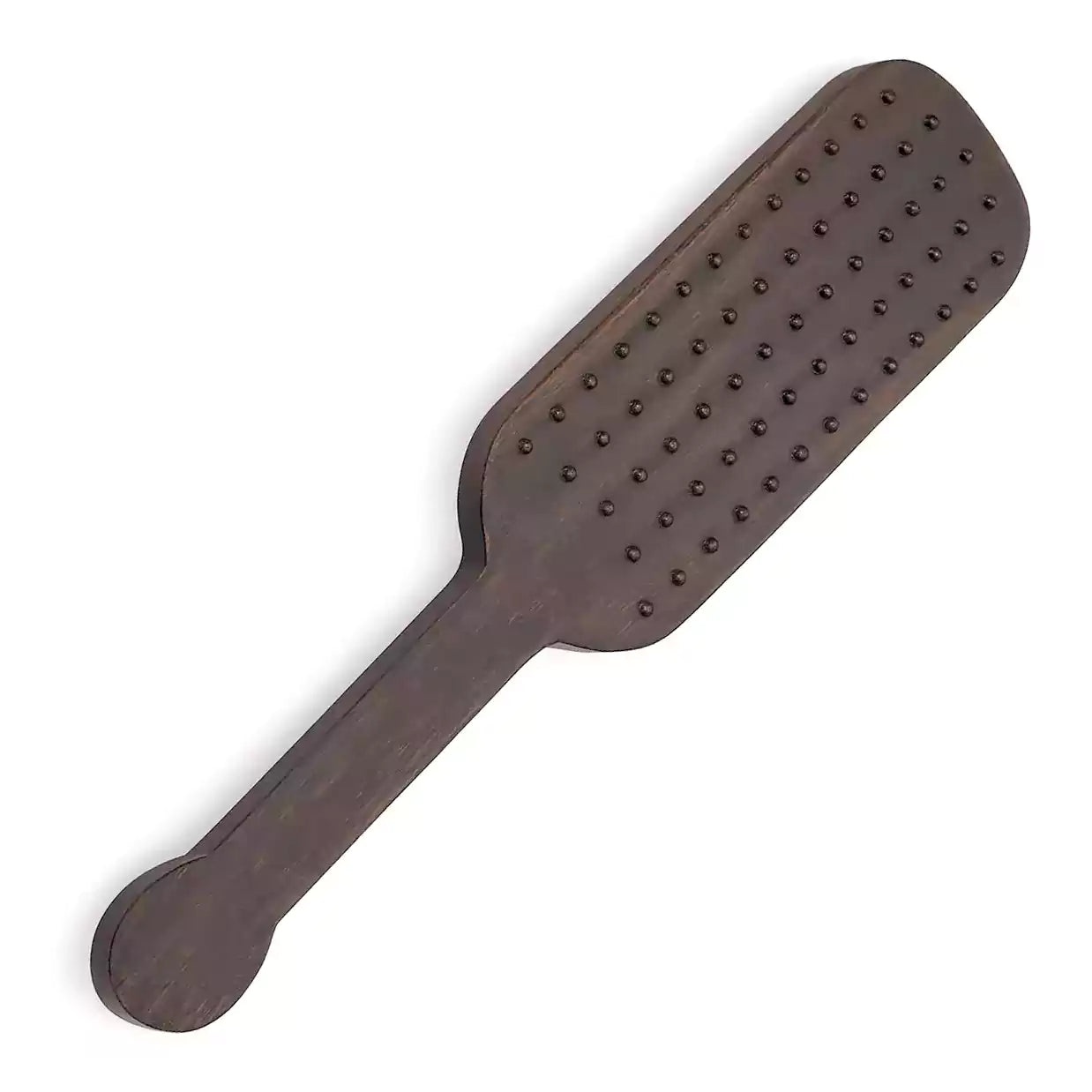
Paddel funktionieren am besten, wenn der Geber die Schlagfläche flach auf der Haut hält und kurze, kontrollierte Bewegungen statt eines weiten Schwungs verwendet. Wenn Holz für einen Anfänger zu hart ist, enthält die breitere Spanking-Paddel-Kollektion weichere Lederoptionen, und der Holz- vs. Leder- vs. Silikon-Paddel-Materialführer erklärt, welche Oberfläche für einen Neuling geeignet ist.
Flogger: Gefühl, Technik und wann man ihn wählen sollte
Die mehreren Schläge eines Floggers verteilen den Kontakt über einen größeren Bereich als ein Paddel, was sich normalerweise weniger scharf anfühlt und leichter einen Rhythmus aufbauen lässt.
Der Handgewebte Griff-Flogger ist genau für diese Art von gleichmäßigem, wiederholbarem Gebrauch konzipiert. Sein geflochtener Griff sorgt für sicheren Halt bei wiederholten Bewegungen, die 48 cm langen Quasten sorgen für ausreichend Bewegung für rhythmische Spiele, ohne unhandlich zu wirken, und mit 168 g hat er mehr Präsenz als ein sehr leichtes Tease-Tool, bleibt aber dennoch leicht zu kontrollieren. SexPaddle bewertet seinen Schwierigkeitsgrad als Anfänger bis Mittelstufe mit einem ausgewogenen, vielseitigen Aufprallprofil – ein sinnvoller nächster Schritt nach dem Handaufwärmen.
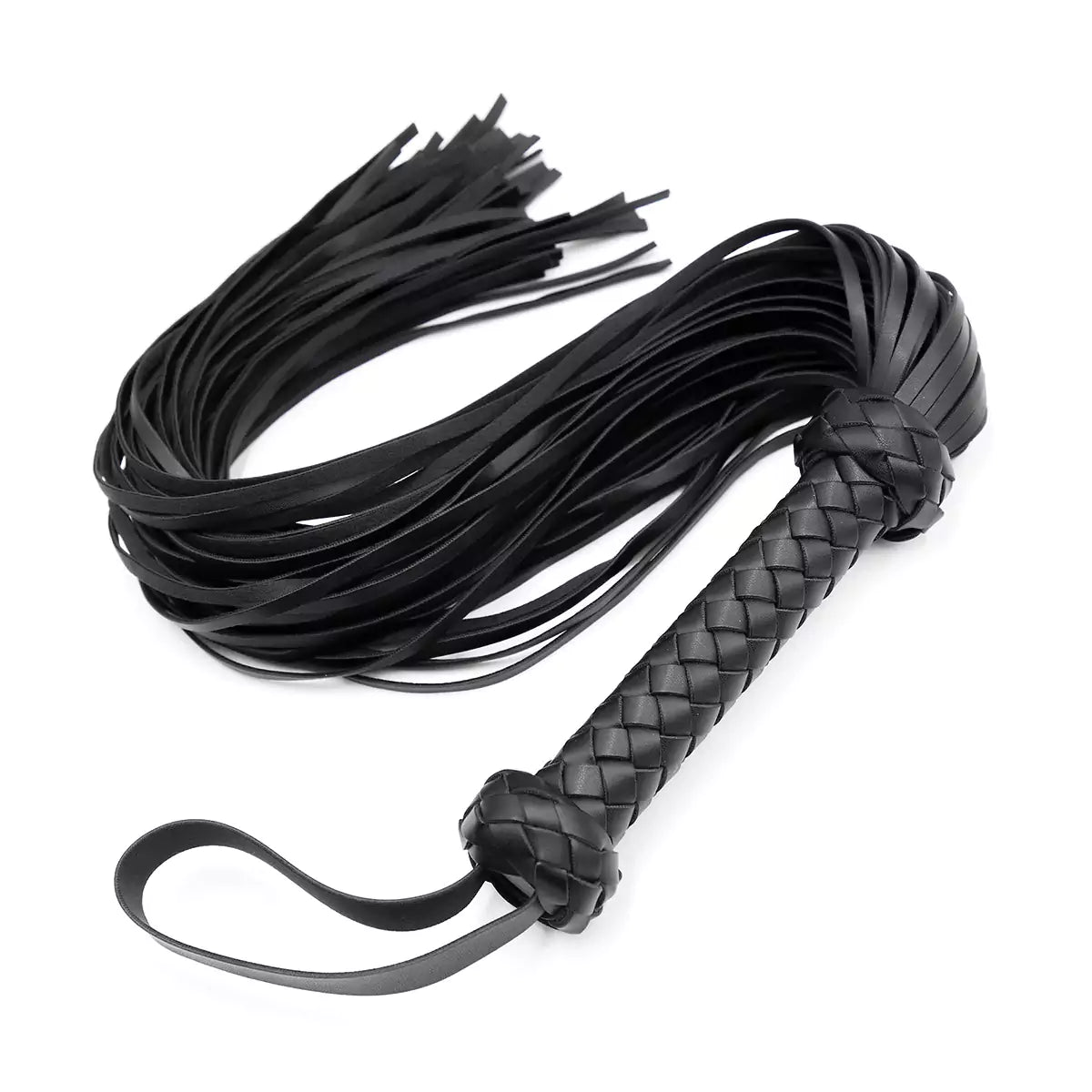
Da die Schläge über eine Fläche verteilt landen und nicht an einem Punkt, verzeihen Flogger ungenaue Treffer eher als ein Stock oder eine Reitgerte. Halten Sie die Schläge auf Gesäß und äußere Oberschenkel, steigern Sie die Geschwindigkeit allmählich und lesen Sie Paddel vs. Flogger, wenn Sie sich zwischen den beiden für einen ersten Kauf entscheiden, oder erkunden Sie die gesamte Flogger-Kollektion für leichtere und schwerere Schlagoptionen.
Stock: Gefühl, Technik und wann man ihn wählen sollte
Stöcke konzentrieren die Energie auf eine schmale Schlaglinie und erzeugen einen schärferen, präziseren Schmerz als ein Paddel oder Flogger bei gleichem Schwungaufwand.
Der Acht-Stangen-Rattan-Disziplinarstock mildert diese Intensität leicht, indem er acht natürliche indonesische Rattan-Stangen bündelt, wodurch der Kontakt über mehrere Punkte statt einer einzigen Linie verteilt wird. Mit 60 cm und nur 100 g bewegt er sich schnell und federt knackig zurück, und SexPaddle führt ihn als anfänger- bis mittelschwerfreundlich auf, gerade weil die Mehrfachstangenverteilung nachgiebiger ist als ein einzelner fester Stock. Er ist in sieben Grifffarben für die Szenengestaltung erhältlich.
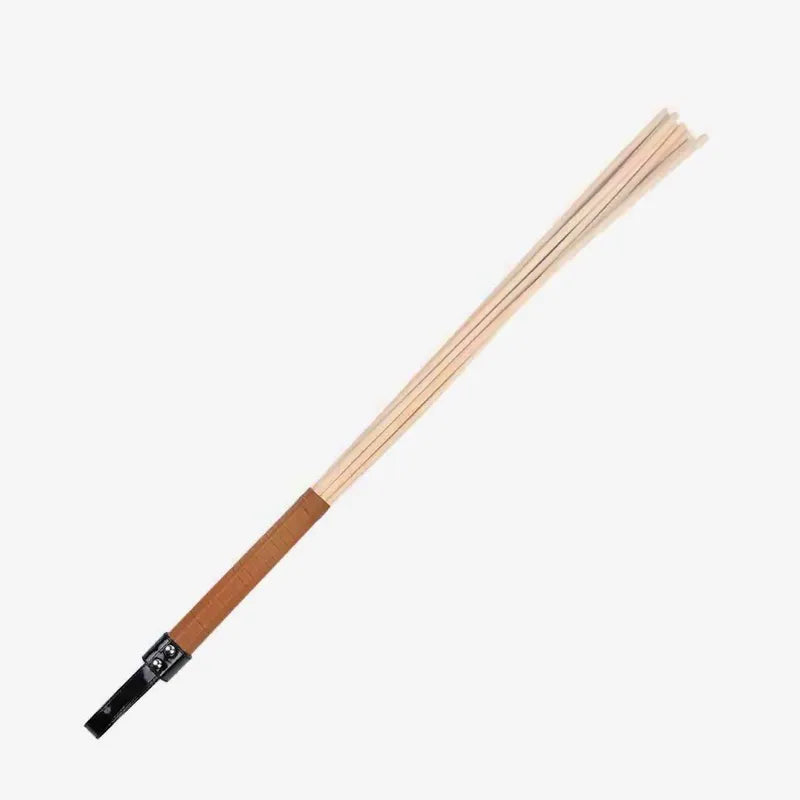
Selbst ein anfängerfreundlicher Stock erfordert Vorsicht: Beginnen Sie mit sehr leichten Schlägen, um das Gefühl zu kalibrieren, bevor Sie rhythmisch spielen, und bleiben Sie strikt auf Gesäß und oberen Oberschenkeln. Vergleichen Sie dieses Mehrfachstab-Gefühl mit einem einzelnen Stock oder einer Reitgerte in Reitgerte vs. Stock, oder sehen Sie sich die gesamte Stock-Kollektion für Holz- und Acrylalternativen an.
Reitgerte: Gefühl, Technik und wann man sie wählen sollte
Reitgerten kombinieren einen flexiblen Schaft mit einer kompakten Spitze, wodurch eine Empfindung entsteht, die zwischen der Präzision eines Stocks und dem Schwung einer Peitsche liegt.
Die Doppellagige Rindsleder-Reitgerte befindet sich fest am fortgeschrittenen Ende dieses Spektrums. Ihre Gesamtlänge von 28,7 Zoll umfasst einen 16,5 Zoll langen flexiblen Peitschenabschnitt, der eine echte Spitzengeschwindigkeit aufbaut, bevor die kompakte, doppellagige Rindslederspitze Kontakt aufnimmt. Dies erzeugt ein 7/10 Schmerz- und 7/10 Stoß-Aufprallprofil, das SexPaddle explizit als mittel- bis fortgeschritten einstuft. Der 8,7 Zoll lange Griff mit einem 6,7 Zoll langen Spiralgriff ermöglicht es einem erfahrenen Benutzer, für kürzere, kontrollierte Schläge zuzufassen oder für schwerere, weitreichende Schläge zu verlängern.
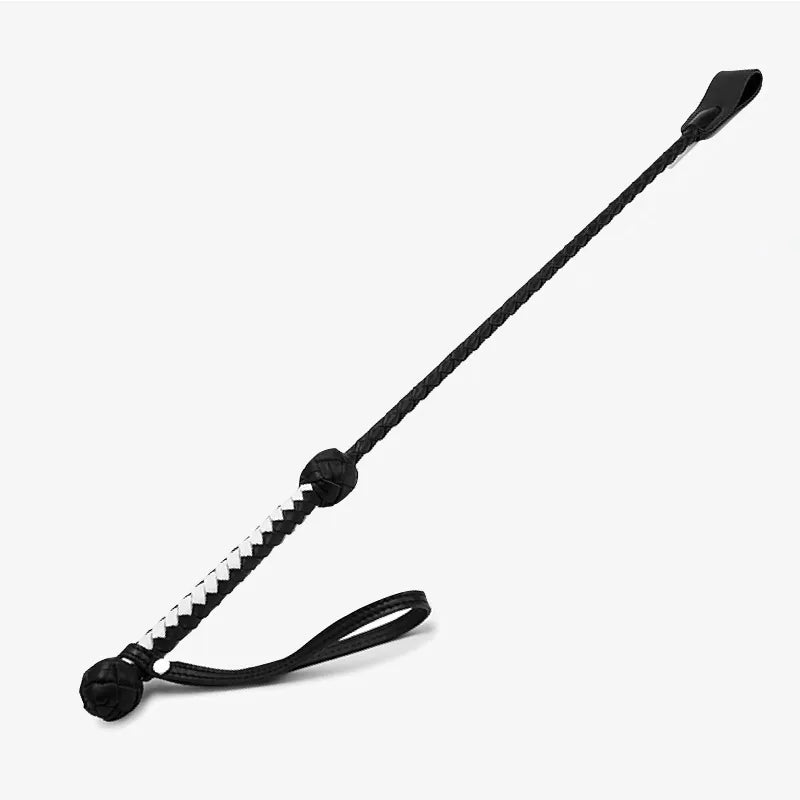
Dies ist kein Werkzeug für den Erstkauf. Der peitschenartige Abschnitt birgt ein Wickelrisiko, das eine Reitgerte mit starrem Schaft nicht hat. Üben Sie den Schwung daher im freien Raum, bevor Sie ihn jemals an einem Partner anwenden. Wenn Sie einen sanfteren Einstieg in das Reitgerten-Spiel wünschen, enthält die Reitgerten-Kollektion kürzere, steifere Designs, die besser für eine erste Session geeignet sind.
Peitsche: Gefühl, Technik und wann man sie wählen sollte
Seil- und geflochtene Peitschen verlassen sich auf Pendelschwung statt auf einen starren Schaft, was sie schwerer anfühlen lässt und erheblich schwieriger zu kontrollieren macht als ein Paddel oder Flogger.
Die Knotengeflochtene Jute-Seilpeitsche ist vollständig aus Juteseil handgewebt, ohne starren Griffabschnitt, und misst von Ende zu Ende 120 cm. Ihre geknotete Flechtstruktur baut durch einen langsamen Bogen echtes Pendelgewicht auf und verursacht einen Stich von 6/10 mit einem schweren Stoß von 8/10 sowie ein warmes Reibungsgefühl durch die Naturfaser, das Leder- und PU-Werkzeuge nicht erzeugen. SexPaddle stuft dies eindeutig als fortgeschrittenes Werkzeug ein.
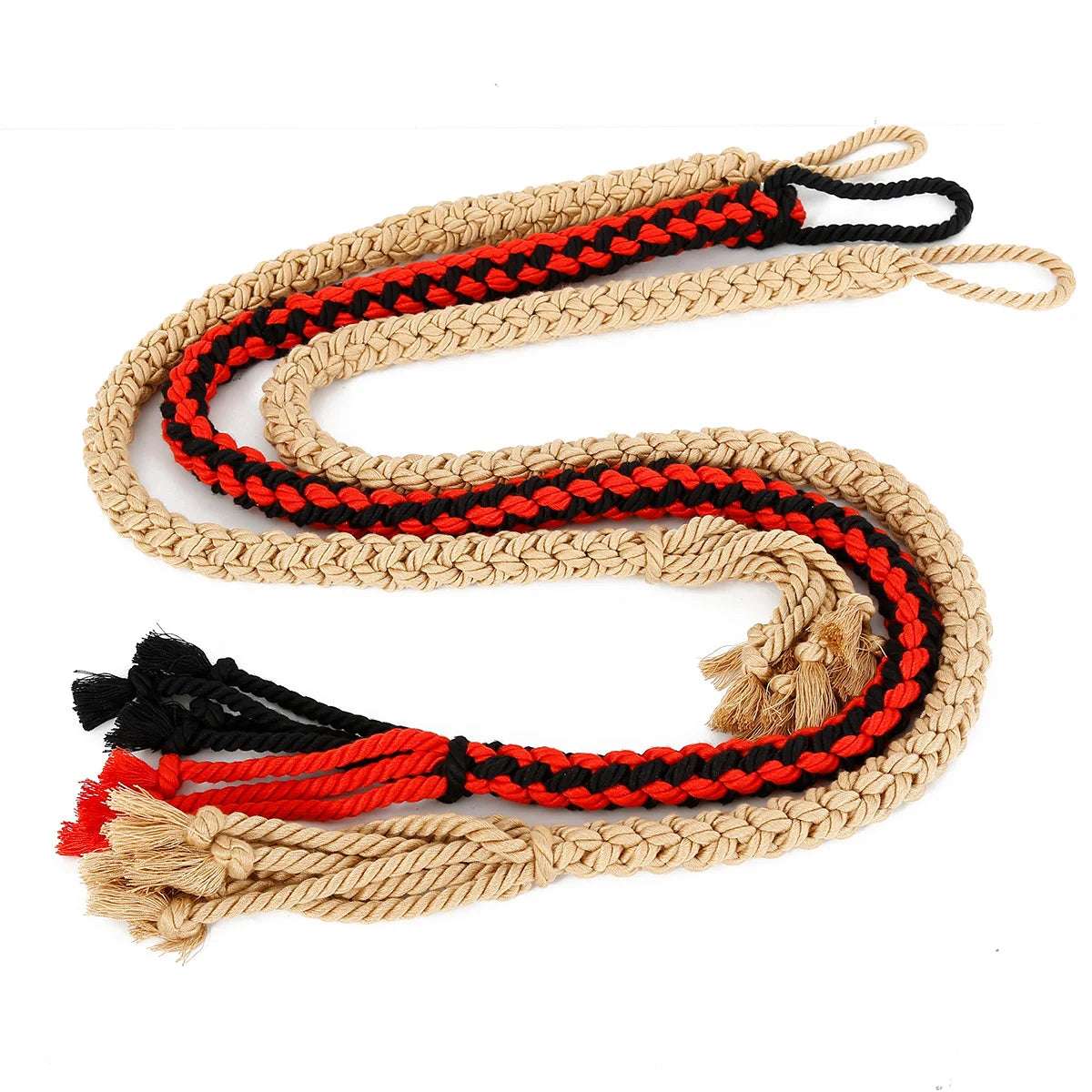
Da es keinen Griff zur Verankerung der Schwungmechanik gibt, sind Peitschen wie diese das am wenigsten nachsichtige Werkzeug in diesem Vergleich und sollten erst nach echter Erfahrung mit Paddeln, Floggern und Stöcken verwendet werden – nicht vorher. Sehen Sie sich Flogger vs. Peitsche genauer an, um zu verstehen, warum Flogger der sicherere Ausgangspunkt sind, oder stöbern Sie in der Peitschen-Kollektion, sobald Sie diese Grundlage haben.
Wie das Material den Vergleich verändert
Innerhalb eines einzelnen Werkzeugtyps verändert das Material die Empfindung ebenso stark wie die Form – Holz und Rattan fühlen sich fester und direkter an, während Leder und Seil wärmer und nachgiebiger wirken.
Massives Ebenholz, wie das oben gezeigte Paddel, biegt sich nicht, sodass jedes Gramm Kraft direkt auf den Schlag übertragen wird. Rattan biegt sich und federt zurück, weshalb sich der Acht-Stangen-Stock schnell und federnd anfühlt statt schwer. Leder liegt in der Mitte – flexibel genug, um den Kontakt zu verteilen, dicht genug, um echtes Gewicht zu tragen, weshalb der hier vorgestellte Flogger und die Reitgerte beide aus Rindsleder oder Kunstleder gefertigt sind. Juteseil verhält sich wieder anders und fügt raue Faserreibung zusätzlich zum reinen Aufprallgewicht hinzu.
Wenn Sie Ihr erstes Werkzeug hauptsächlich nach Material und nicht nach Form auswählen, geht der Holz vs. Leder vs. Silikon Paddel-Leitfaden detaillierter darauf ein, wie sich jede Oberfläche bei wiederholtem Gebrauch verhält.
Echte Erfahrung: Aufbau einer ersten Impact-Toy-Kollektion
Die meisten Anfänger erzielen bessere Ergebnisse, wenn sie mit einem fehlerverzeihenden Werkzeug beginnen und die Intensität allmählich steigern, anstatt mehrere Werkzeuge auf einmal zu kaufen.
In einem zusammengesetzten Szenario, das auf häufigen Fragen zum Erstkauf basiert, stellten Priya und Sam gemeinsam ihr erstes Impact Play Kit zusammen. Priya wollte etwas Rhythmisches und Stetiges; Sam war neugierig auf schärfere Empfindungen, hatte aber noch nie etwas außer Händen benutzt. Sie hätten beinahe eine Reitgerte und einen Stock in derselben Bestellung gekauft, hielten dann aber inne und fragten, welches Werkzeug tatsächlich ihrem aktuellen Kenntnisstand entsprach und nicht ihrer Neugier.
Sie begannen mit dem handgewebten Griff-Flogger, da seine ausgewogenen Schläge und die Einstufung als Anfänger bis Mittelstufe ihnen Raum gaben, Rhythmus aufzubauen, ohne präzises Zielen zu benötigen. Nach drei Sessions mit dem Flogger wollte Sam etwas Schärferes ausprobieren, also fügten sie den Acht-Stangen-Rattan-Disziplinarstock hinzu – leicht, schnell und immer noch für Anfänger geeignet, da die Mehrfachstab-Verteilung den Schmerz im Vergleich zu einem einzelnen Stock milderte. Das Ebenholz-Paddel und die doppellagige Reitgerte blieben für später auf ihrer Wunschliste, sobald sie mehr Erfahrung im Lesen von Feedback im Moment hatten. Ihr Fazit: Das „beste“ erste Werkzeug ist das, dessen Schwierigkeitsgrad mit Ihrem tatsächlichen Stand übereinstimmt, nicht mit dem, wo Sie enden möchten.
Nachsorge, Reinigung und Lagerung nach Werkzeugtyp
Jedes Impact-Toy benötigt je nach Material eine andere Pflege, und das Überspringen dieses Schritts verkürzt die Lebensdauer des Werkzeugs und kann Hygienerisiken schaffen.
| Werkzeug | Reinigung | Lagerung | Worauf zu achten ist |
|---|---|---|---|
| Holz- / Ebenholz-Paddel | Mit trockenem oder leicht feuchtem Tuch abwischen | Trocken, belüftet, fern von Hitze | Risse, raue Stellen, Splitter |
| Leder-Flogger | Schwänze mit trockenem Tuch abwischen; Leder regelmäßig pflegen | Am vorgesehenen Aufhänger hängend | Ausfransende Schwänze, lockerer Griff |
| Rattan-Stock | Trocken abwischen; Einweichen oder Alkoholreiniger vermeiden | Trocken, belüftet, fern von Feuchtigkeit | Verzug, Spaltung, lockere Griffwicklung |
| Leder-Reitgerte | Schaft mit trockenem Tuch abwischen; Spitzenbefestigung prüfen | Hängend oder flach an einem trockenen Ort | Lockernde Spitze, Schaftsteifigkeit |
| Jute-Seil-Peitsche | Lose Fasern ausschütteln; sanft abwischen, niemals einweichen | Locker aufgehängt oder gerade hingelegt | Ausfransende Knoten, Faserauflösung |
FAQ
Diese Antworten decken die häufigsten Fragen zur Auswahl zwischen Paddeln, Floggern, Stöcken, Reitgerten und Peitschen ab.
Was ist das einfachste Impact-Toy, mit dem man anfangen kann?
Ein Flogger für Anfänger bis Mittelstufe, wie ein ausgewogenes Schlagdesign, ist normalerweise am fehlerverzeihendsten, da er den Kontakt verteilt und kein präzises Zielen erfordert.
Stöcke mit einer Mehrfachstangenkonstruktion sind ebenfalls beliebte Anfängeroptionen, da sie den Schmerz über mehrere Punkte verteilen.
Welches Impact-Toy tut am meisten weh?
Fortgeschrittene Werkzeuge wie ein Peitschenseil oder eine lange, verlängerte Reitgerte erzeugen aufgrund des zusätzlichen Schwungs und der Reichweite im Allgemeinen die intensivsten Empfindungen.
Die Empfindung hängt auch stark von der Technik ab, so dass ein erfahrener Benutzer mit einem "mildereren" Werkzeug immer noch einen starken Aufprall verursachen kann.
Soll ich zuerst ein Paddel oder einen Flogger kaufen?
Ein Flogger ist bei einem echten ersten Versuch meist sanfter, da die Schläge über eine größere Fläche verteilt werden, anstatt die Kraft zu konzentrieren.
Ein Paddel ist ein guter zweiter Schritt, sobald Sie verstehen, wie viel Kraft angenehm ist.
Sind Stöcke nur für fortgeschrittene Benutzer?
Nicht unbedingt. Mehrstäbige Rattan-Rohrstöcke werden oft als Anfänger- bis Fortgeschrittenen-Level eingestuft, da sie den Schmerz verteilen, anstatt ihn auf eine Linie zu konzentrieren.
Einzelne massive Rohrstöcke fühlen sich tendenziell schärfer an und sind besser für erfahrenere Benutzer geeignet.
Wann sollte ich eine Peitsche einführen?
Erst nach echter Erfahrung mit Paddeln, Floggern und Rohrstöcken, da Peitschen auf Schwung und Bogenkontrolle angewiesen sind und nicht auf einen starren Griff.
Üben Sie den Schwung zuerst im freien Raum, ohne Partner, bevor Sie ihn jemals in einer Szene verwenden.
Brauche ich mehr als ein Impact Toy?
Nein. Viele Paare sind monatelang mit einem gut abgestimmten Werkzeug zufrieden, bevor sie ein zweites hinzufügen.
Wählen Sie basierend auf dem Fähigkeitsniveau und der gewünschten Empfindung, anstatt zu versuchen, jede Kategorie auf einmal zu sammeln.
Abschließende Gedanken: Wählen Sie nach Gefühl, nicht aus Angst
Das richtige erste Impact Toy ist das, dessen Fähigkeitslevel-Bewertung ehrlich Ihrer Erfahrung entspricht, nicht das, das am dramatischsten aussieht.
Paddel, Flogger, Rohrstöcke, Crops und Peitschen übertragen Energie auf eine tatsächlich unterschiedliche Weise, und Preis oder Aussehen sagen selten voraus, wie intensiv sich ein Werkzeug tatsächlich anfühlt. Beginnen Sie mit Zustimmung und Safewords, wählen Sie ein Anfänger- bis Fortgeschrittenen-Werkzeug wie den Handwoven Grip Flogger oder den Eight-Rod Rattan Discipline Cane und gehen Sie erst dann zu fortgeschrittenen Werkzeugen wie dem Dual-Layer Cowhide Riding Crop oder der Knot-Braided Jute Rope Whip über, wenn Sie beide echte Erfahrung im gemeinsamen Lesen von Feedback haben.
Durchsuchen Sie die vollständige Sammlung von Anfänger-Impact-Toys, lesen Sie den Safe-Word-Leitfaden vor Ihrer nächsten Szene erneut, und wenn Sie bereit sind, tiefer in eine einzelne Kombination einzusteigen, erklären die in diesem Leitfaden verlinkten Vergleiche genau, wie die einzelnen Werkzeuge im Vergleich abschneiden.


